How Cold Is Columbia Icefield In Summer?
A practical answer to how cold the Columbia Icefield gets in summer, what that means for a glacier tour, and what to pack for a day on the Athabasca Glacier.
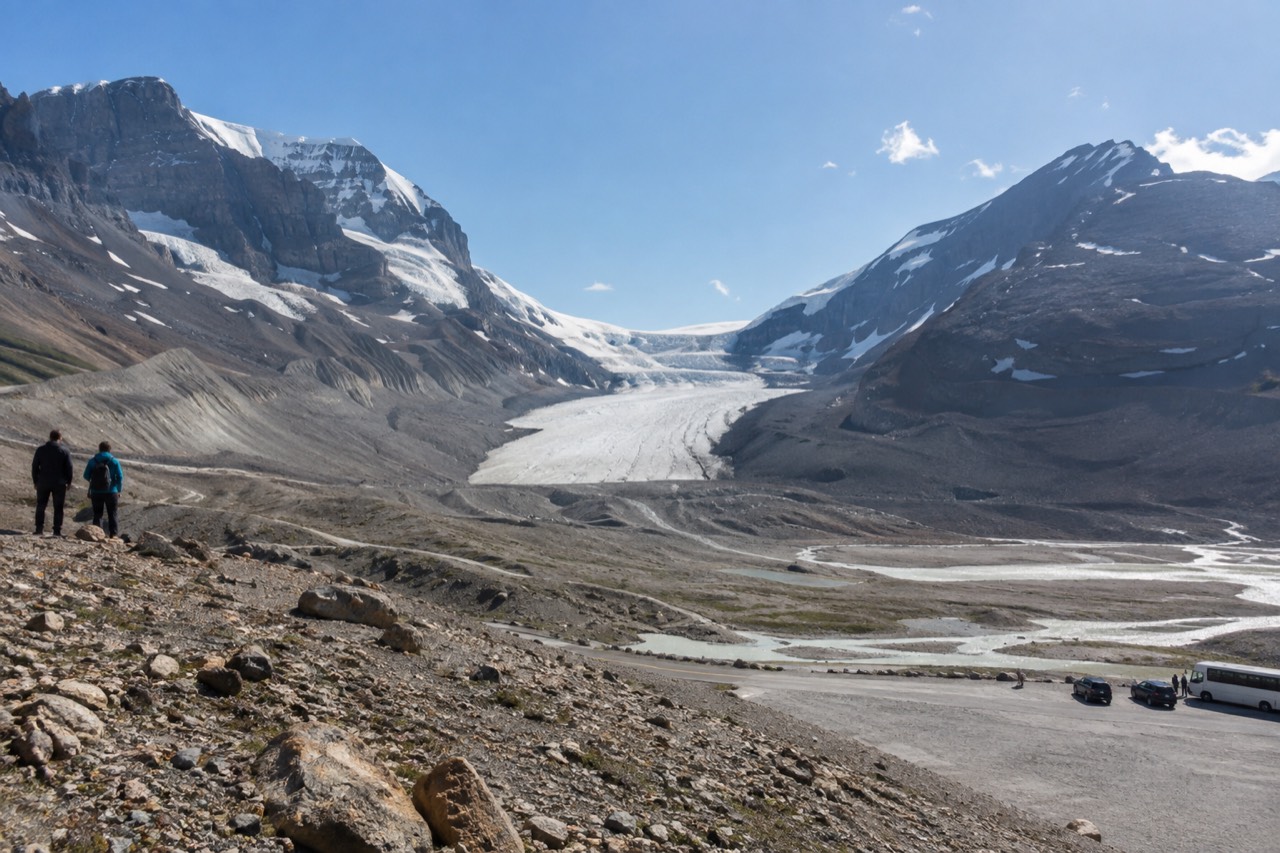
The Columbia Icefield sits roughly 103 km south of Jasper on Highway 93, at the top of Sunwapta Pass, and it is the largest icefield in the Canadian Rockies, more than 300 km² of ice. In July, the Jasper townsite regularly reaches a daily maximum of 23.4 °C. Two hours south, on the surface of the Athabasca Glacier, the air is dramatically colder, cold enough that people who arrive in shorts and a T-shirt routinely head back to the Discovery Centre within the hour. This page explains what the cold actually feels like at the icefield in summer, why the temperature drops the way it does, and what that means for the tour you are about to book.
How Cold Is Columbia Icefield In Summer?
The honest answer is that no official source publishes a measured summer temperature for the icefield itself, but the conditions are predictable: on the glacier surface you should plan for temperatures near freezing, wind, and glare ice, even when the townsite is above 20 °C. Parks Canada publishes climate normals for the Jasper station, not for the icefield, and the ice sits well above the valley floor. The Athabasca Glacier has been receding for the last 125 years and in 2023 saw more ice melt than in any of the previous 10 years, which tells you the summer sun is working hard on that ice. Working ice means meltwater, cold air pouring off the glacier surface, and a wind chill factor that catches almost everyone off guard.
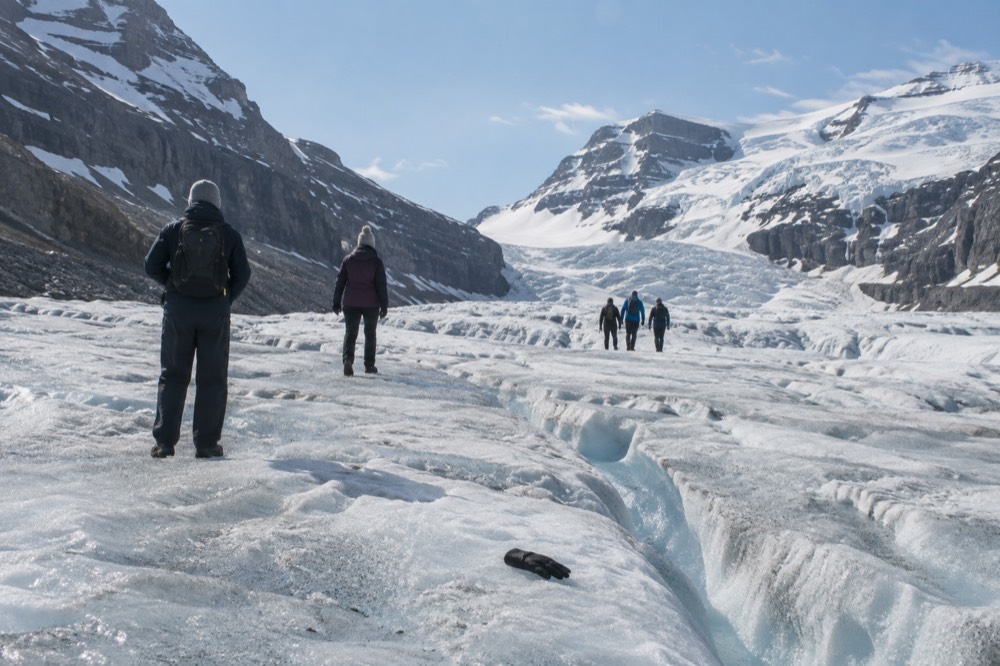
The gap between the townsite and the icefield comes down to elevation and surface. The Jasper climate station sits down in the valley. The SkyTram's upper station on Whistlers Mountain, for comparison, is at 2,263 m, and anyone who has ridden it knows the temperature difference between the parking lot and the top. The Athabasca Glacier surface is high, white, and frozen year round. White ice reflects sunlight instead of absorbing it, meltwater runs across the surface all day, and katabatic winds, the cold air that drains off a glacier, push straight through a light summer jacket.
What that means in practice: a July day at the icefield can feel like two seasons at once. The paved areas around the Columbia Icefield Discovery Centre can be pleasantly warm in the sun, and the glass-floored Skywalk, which hangs over the Sunwapta Valley, can be hot enough that you shed a layer while standing on it. Step onto the Ice Explorer and ride down onto the ice, and the temperature drops within minutes. Guides for glacier walks hand out or require boots and warm layers for exactly this reason. If you are deciding between tour formats, this comparison of the Columbia Icefield tour options lays out what each one actually puts you on.
The people who enjoy the ice most are the ones dressed for it, and the people who suffer are almost always the ones who dressed for the townsite. A reader preparing to spend money on a glacier experience should treat the cold as part of the product, not an inconvenience beside it.
What should you wear on the glacier ice?
Dress for near-freezing air, strong sun, and wet underfoot conditions: a warm insulating layer, a windproof shell, long trousers, sunglasses, and waterproof footwear you do not mind getting soaked, and skip shorts and sandals entirely. The sun at that elevation is intense enough to burn exposed skin quickly, so sun protection and warmth are not opposites here, they are the same packing problem. Gloves and a hat are the two items people most often wish they had brought.
The surface of the Athabasca Glacier in summer is not a smooth skating rink. It is melting actively, with meltwater streams cutting channels across the ice, and 2023 produced more melt than any of the previous ten years. Boots get wet. Trousers get splashed. The operators who run guided glacier hikes, including the IceWalks and Tread Lightly trips, provide or require proper boots because trainers on wet ice are genuinely unsafe, and Parks Canada's own safety language about the glacier is blunt: the glacier is dangerous, people have been killed falling into hidden crevasses, and you should not cross the barriers.
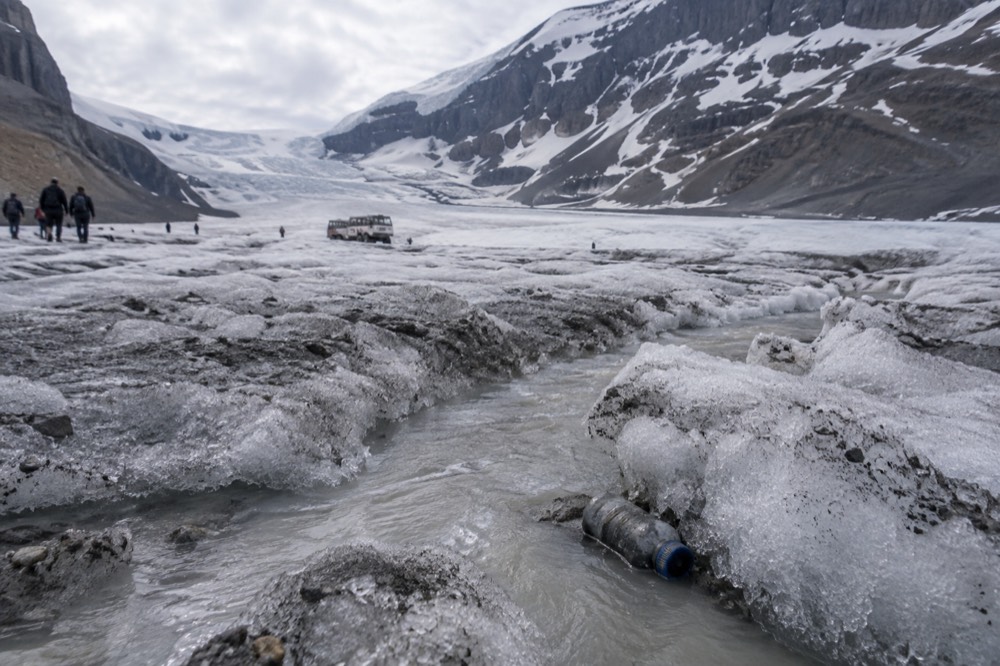
A simple layering approach works better than one heavy coat. A base layer, a fleece or puffy mid layer, and a windproof shell let you strip down at the Discovery Centre and bundle up on the ice. For a fuller packing breakdown written for this exact climate, the guide on what to wear to a Columbia Icefield tour covers footwear, layers, and the sun problem in detail.
Does the Columbia Icefield get snow in summer?
Yes, snow can and does fall at the Columbia Icefield in summer, especially at the higher elevations of the icefield itself, and the glacier surface stays frozen year round regardless of what the valley weather is doing. The icefield is the largest in the Canadian Rockies, more than 300 km² of ice, and it survives the summer precisely because conditions up there never warm enough, even in July, to melt it all.
What melts in a warm summer is the leading edge, the Athabasca Glacier, and that is where every tour goes. The Jasper climate normals give a sense of the regional pattern, with the caveat that they are measured in town, not on the ice:
| Month (Jasper townsite station) | Daily max °C | Daily min °C | Snowfall cm |
|---|---|---|---|
| June | 20.0 | 5.2 | 0.0 |
| July | 23.4 | 7.4 | 0.0 |
| August | 23.0 | 6.1 | 0.0 |
| September | 17.9 | 2.5 | 2.1 |
Every one of those overnight minimums is measured in the valley. The icefield, hundreds of metres higher and radiating cold off an ice surface, runs well below those figures, and cold rain in town can arrive as snow up at the pass. The Columbia Icefield Adventure season runs 1 May to 12 October in 2026, weather dependent, and the ice itself does not disappear in the middle of it. Parks Canada's page on glaciers and icefields in Jasper explains how the icefield feeds the glacier and why the melt season shapes what you see on the surface.
Why does the temperature drop so much between Jasper and the icefield?
Two verified mechanisms explain the gap: elevation, since temperature falls as you climb, and the glacier surface itself, which chills the air above it and generates cold winds that flow down the ice. You gain serious altitude on the drive south before you ever see the glacier, and once you are standing on the white surface, the ice does the rest, cooling the air and throwing sunlight straight back at you.
The drive south from Jasper climbs steadily toward Sunwapta Pass, where the Icefields Parkway carries long grades of 8 to 11 percent, one of the steepest sustained climbs on the whole 232 km route. Everything else covered here is indexed on Jasper National Park Tours.
Then the surface takes over. Ice at, near, or below freezing cools the air in contact with it, and that dense cold air runs downhill along the glacier, which is why a wind can be blowing hard on the ice while the parking lot is calm. Add the reflectivity of the surface: white ice bounces most of the incoming sunlight straight back at you, which is why sunglasses are not optional and why you can sunburn the underside of your chin on a bright day. The combination of cold air, wind, and reflected glare is what people mean when they say the icefield "doesn't feel like summer."
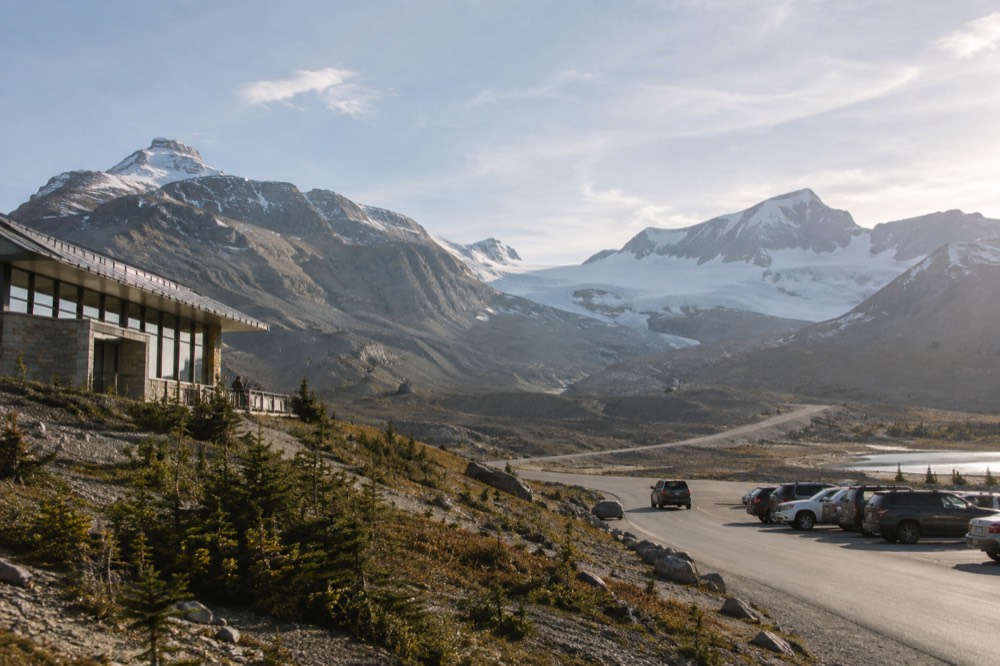
The scale of the cold reservoir is worth understanding too. From 1985 to 2024, Jasper lost 21.8 percent of its total glacier mass, and the Columbia Icefield alone lost nearly 13.3 percent over the same period. Between 2017 and 2024 the icefield lost about 1.5 cubic kilometres of ice, which Parks Canada compares to nearly 590,000 Olympic swimming pools. That is an enormous amount of ice absorbing heat every summer, and while it lasts, it keeps the local climate on the glacier cold and unstable in a way no valley forecast captures.
Which Columbia Icefield tours put you on the coldest ground?
Only the tours that actually step onto the Athabasca Glacier put you in true glacier-cold conditions; the Skywalk and the Discovery Centre are exposed but walkable in ordinary layers, and the difference in what to wear between the two is significant, so match the format to how much cold you actually want on the day.
The Ice Explorer and Skywalk combo, rated 4.5 across 3,187 reviews and from $95.17, takes you onto the ice in a purpose-built vehicle for a short walk on the glacier surface. The Skywalk admission on its own, from $37.01, keeps you on a glass platform over the Sunwapta Valley, cold in the wind but nothing like standing on ice.
For a deeper encounter, the Ice Odyssey is the one to look at closely. It is a two-hour small-group experience on the Athabasca Glacier, rated 4.9 across 36 reviews and from $201.66, with the small group format meaning more time on the ice and more direct guidance from the crew. Two hours on a glacier surface in summer is long enough that the cold stops being a novelty and becomes the whole texture of the visit, so the packing advice earlier in this article applies doubly here. You can also see the full details on the Ice Odyssey glacier experience tour page.
The guided glacier hikes go further still. The IceWalks guided glacier hike, 4.9 across 422 reviews and from $101.57, runs three hours, and Tread Lightly runs a four-hour version from $135.25. Those formats include real walking on the ice, and the operators treat proper footwear and warm layers as safety requirements rather than suggestions. If you are weighing whether the on-ice formats justify the money, the write-up on whether the Columbia Icefield tour is worth it works through the trade-offs, and Parks Canada's own page on the Columbia Icefield area and Athabasca Glacier describes what the barriers do and do not let you reach on your own.
How should you plan around the cold on the day?
Check the road and the weather the morning you drive, build the ice stop into the middle of your day rather than the first thing, and pack a bag you can leave in the car with layers you can add or shed between the valley and the pass. The Icefields Parkway has no winter closure, but from 1 November to 31 March snow tires or chains are required, and even in summer the pass weather can turn quickly. There are no services along the parkway in winter, and no cell coverage en route at any time of year, so a weather surprise at the icefield is not something you can improvise your way out of.
A park pass is legally required to be inside Jasper National Park, and the fee is charged per person, with a Family/Group daily rate of $24.50 CAD covering up to seven people arriving in one vehicle. Whether a tour builds the entry fee into its ticket varies by operator, so check the inclusions on the listing before you assume it. The details, including the Discovery Pass break-even, are covered in full in the guide to the Jasper National Park entry fee.
Practical timing matters as much as packing. The drive from Jasper to the Icefield Centre is 103 km, and Pursuit, which operates the Columbia Icefield Adventure, advises planning generously for the drive and arriving well before your booked time, since missed departures are handled strictly. Morning visits tend to have firmer ice and fewer people; afternoon visits get softer meltwater channels and more surface water, which is worth knowing if your footwear is marginal. Either way, the cold is a constant, and the sun is the variable most people misjudge.
The last thing worth knowing is that this is a landscape in transition, and the summer you visit will not look like the summer in an older photo. If current trends continue, Parks Canada states the park's glaciers will disappear within the next century, and the melt figures above are the shape of that happening in real time. Standing on the Athabasca Glacier in July, in a windproof shell and gloves while the valley below you sits at 20 degrees, is one of the more vivid ways to understand what those numbers mean.
Common questions about how cold the Columbia Icefield is in summer
How Cold Is Columbia Icefield In Summer?
Plan for near-freezing air on the glacier surface, wind, and intense reflected sun, even when the Jasper townsite is above 20 °C. No official source publishes a measured icefield temperature, so dress for the surface conditions rather than the valley forecast: warm layers, a windproof shell, long trousers, sunglasses, and waterproof footwear.
Is the Columbia Icefield colder than Jasper townsite?
Yes, noticeably. The townsite climate station sits down in the valley, while the glacier surface is far higher, white, and frozen year round. Ice chills the air above it and generates cold downslope winds, so the temperature gap between town and the ice is real in every summer month.
Does it snow at the Columbia Icefield in July?
It can. The icefield surface stays frozen year round, and cold rain in the valley can fall as snow at the pass. The glacier itself never thaws, which is exactly why the icefield survives the summer: only its leading edge, the Athabasca Glacier, melts.
What should I wear on the Athabasca Glacier in summer?
A warm insulating layer under a windproof shell, long trousers, gloves, a hat, sunglasses, and boots you do not mind getting wet. Guided glacier hike operators treat proper footwear as a safety requirement, and the meltwater running across the surface in summer will soak anything light.
Do I need a park pass to visit the Columbia Icefield?
Yes. A park pass is legally required to be inside Jasper National Park, and the daily fee is charged per person, with a Family/Group rate of $24.50 CAD covering up to seven people in one vehicle. A pass is specifically required to drive the Icefields Parkway, and whether a tour includes the fee varies by operator, so check the listing.
Which tours put you on the actual glacier ice?
The Ice Explorer ride, the Ice Odyssey small-group experience, and the guided glacier hikes all step onto the Athabasca Glacier. The Skywalk, by contrast, is a glass platform over the Sunwapta Valley: exposed and windy, but not the same standing-on-ice cold.