Is Jasper Open After the Wildfire? Current Park Status and What You Can Book
Jasper National Park is open, and most of it is working. This guide separates what the 2024 wildfire actually closed from what is running normally, so you can book with a clear picture.
Short answer
Yes, Jasper is open. Parks Canada states that virtually all of Jasper's trails have reopened and the majority of the park is open and ready to explore. Two exceptions still stand: Cavell Road and Maligne Canyon are closed for the 2026 season. Tours on Maligne Lake, the Icefields Parkway, the SkyTram and the Athabasca River are all running.
Jasper National Park is open. That single sentence needed saying in 2024 and it still needs saying now, because the July 2024 wildfire left a lot of confusion behind it, and a lot of outdated pages on the internet still describe a park in crisis. The reality Parks Canada publishes is more encouraging: virtually all of Jasper's trails have reopened, the majority of the park is open and ready to explore, and the tours that make Jasper worth the drive are running.
But "open" is not the whole story, and an honest status page has to name what is not. Two places visitors specifically come for, Maligne Canyon and the Mount Edith Cavell area, are closed for the 2026 season with no reopening date set. A park pass is legally required to be inside the park, and the free-admission window that ran through the summer has ended. This guide walks through what burned, what survived, what is open, what is closed, and how to check the live condition pages before you commit money to anything. Where a fact moves week to week, this page links you to the source that tracks it rather than freezing a number in place.
Is Jasper open after the wildfire?
Yes. Jasper National Park is open, and Parks Canada's own summary is that the majority of the park is now open and ready to explore, with virtually all trails reopened since the 2024 wildfire. The town is running, the Maligne Lake cruise and the Columbia Icefield attractions are operating, and both visitor centres are open. The honest caveat: Maligne Canyon and Cavell Road are closed for the 2026 season.
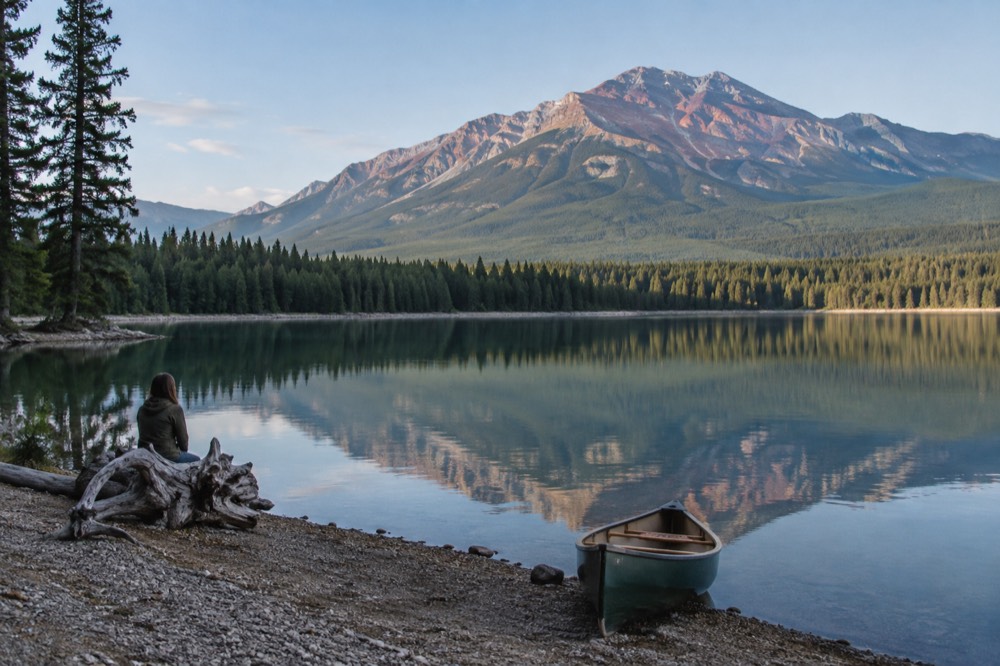
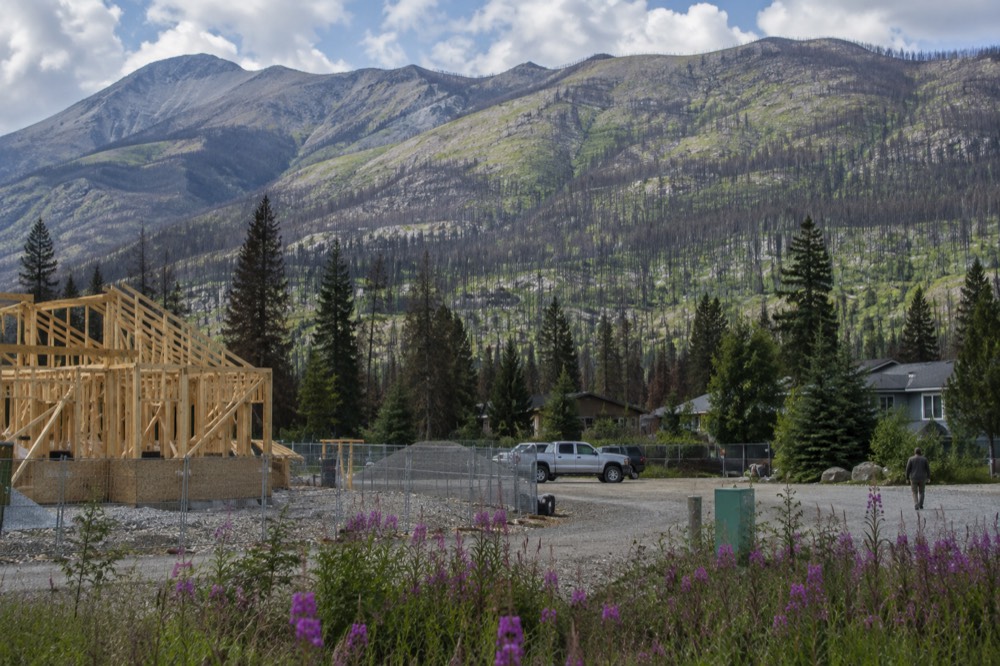
The distinction that matters for a visitor is between the park and the townsite. The fire of July 2024 ran up the Athabasca valley and into the southwest corner of the town of Jasper, destroying structures there. It did not sweep across the park's 11,228 square kilometres, and the places most visitors come to see, the Icefields Parkway, Maligne Lake, Pyramid Lake, the Athabasca River, the SkyTram on Whistlers Mountain, were either untouched or have fully reopened. Parks Canada describes the fire's final size as 32,722 hectares, and the burn is visible along the Athabasca valley south of town, around the townsite's southwest edge and up the Maligne road corridor. Regrowth is under way in those places, and Parks Canada's restoration pages describe whitebark pine planting and a regenerating landscape along the reopened Valley of the Five Lakes trail.
What that means in practice: you can book a Maligne Lake cruise, a glacier tour on the Icefields Parkway, a rafting trip on the Athabasca or a wildlife tour, and every one of them will operate in the park you came to see. You cannot currently walk Maligne Canyon or drive Cavell Road, and no tour of either can legally run while those closures stand. For the wider picture of what the park offers, our guide to things to do in Jasper National Park covers the full menu of open experiences.
What actually happened in the July 2024 wildfire?
On 22 July 2024 lightning started fires south of Jasper that merged overnight in winds gusting to 87 km/h and ran north up the Athabasca valley toward the town. The town was evacuated at 10 pm that night. The final fire covered 32,722 hectares, was declared under control on 7 September 2024 and extinguished on 1 April 2025. Seventy percent of the structures in town were saved, including all critical infrastructure.
The timeline Parks Canada publishes is worth reading, because it explains why the damage landed where it did. Four fires were reported within half an hour on the evening of 22 July, near the Jasper Transfer Station, Kerkeslin Campground and campgrounds south of town. Overnight, wind gusts up to 87 km/h merged three of them into a single fire running toward the community, and the evacuation order for the entire park including the town came at 10 pm. Within four hours the combined fires exceeded 3,000 hectares. On the evening of 24 July the fire climbed the north-facing slopes of Whistlers Mountain, the convection column collapsed, and burning embers fell over the southwest corner of the townsite, igniting buildings.
The initial rapid assessment identified 358 destroyed structures. Parks Canada's own framing of what survived matters just as much: 70 percent of the structures in town were saved, including all critical infrastructure. The Maligne Lake Boat House survived, as did the structures in the Maligne Lake area, and there was no damage to the Jasper Park Lodge hotel. In the Maligne area, the losses included the Maligne Canyon Wilderness Kitchen and all structures at the Maligne Wilderness Hostel, which is part of the story behind the canyon's current closure.
The Canadian Forest Service confirmed the fires were started by lightning. More than 3,000 personnel were involved over the course of the response, and the recovery has been funded in stages, including $187 million announced in March 2025 and $520 million announced in June 2026 for the continued rebuild. The full timeline is on Parks Canada's Jasper wildfire timeline page.
What is open in Jasper right now?
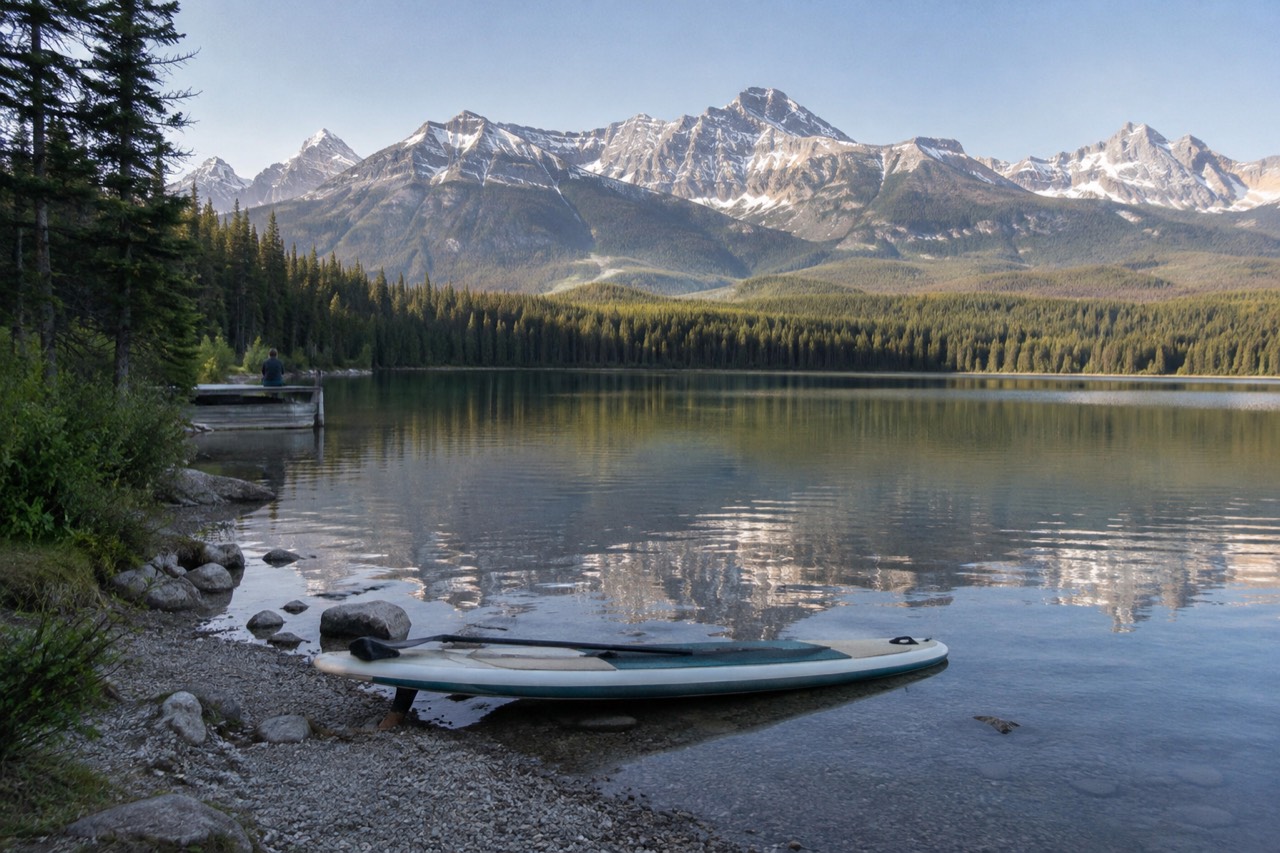
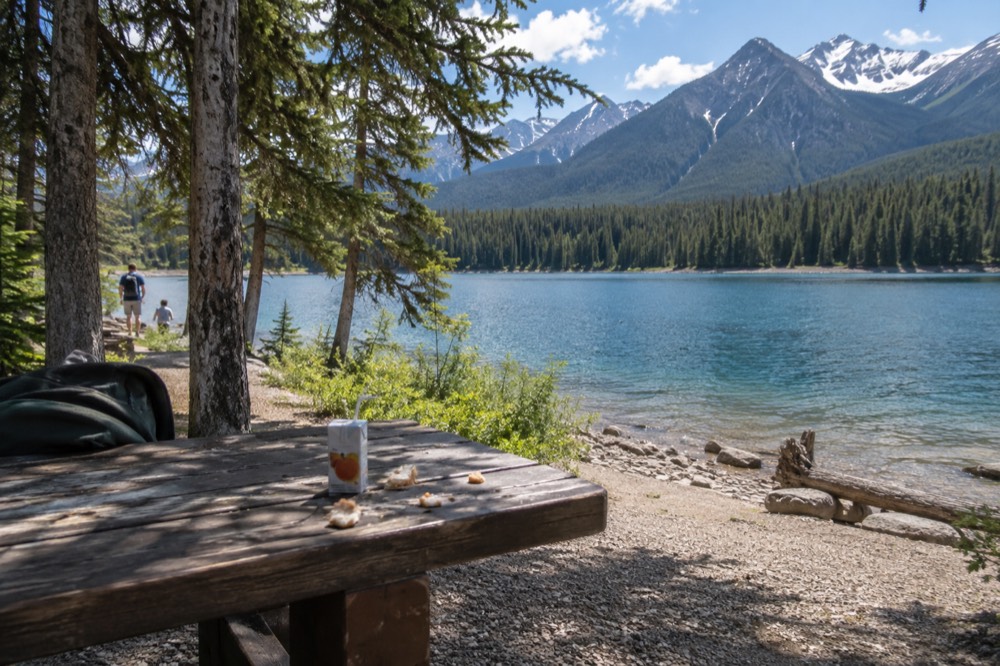
Most of the park. Open day-use areas include Athabasca Falls, Sunwapta Falls, Pyramid Beach, Pyramid Island, Patricia Lake, Annette Lake, Edith Lake and the Maligne Lake boathouse picnic site. Open trails include Valley of the Five Lakes, Old Fort Point, Bald Hills, Opal Hills, The Whistlers, Wilcox Pass, Sulphur Skyline and the Tonquin Valley via Portal Creek. All 85 listed backcountry campgrounds are open, and Miette Hot Springs is open.
The live authority for this question is Parks Canada's What's open in Jasper National Park register, which is updated as things change. The pattern it shows is consistent: the headline attractions are operating. The Valley of the Five Lakes trail reopened in summer 2026 after realignment, resurfacing and new signage, and more than 800 visitors walked it on opening day. Wabasso Lake trail, Curator trail and Trail 9 have also reopened. The SkyTram is running, the Maligne Lake cruise is running, the Columbia Icefield attractions are running, and the Athabasca and Sunwapta falls are open with their day-use areas.
The tours follow the terrain. If a tour's confirmed stops sit inside the open register, it runs. That covers the whole Maligne Lake family, the glacier tours on the Icefields Parkway, the wildlife tours on Pyramid Lake and Patricia Lake, rafting out of the townsite, and the food and culture tours in town. The trio below is a reasonable spread of what is running: the lake cruise itself, a wildlife-plus-cruise combination, and a small-group canoe trip on the Pyramid lakes.
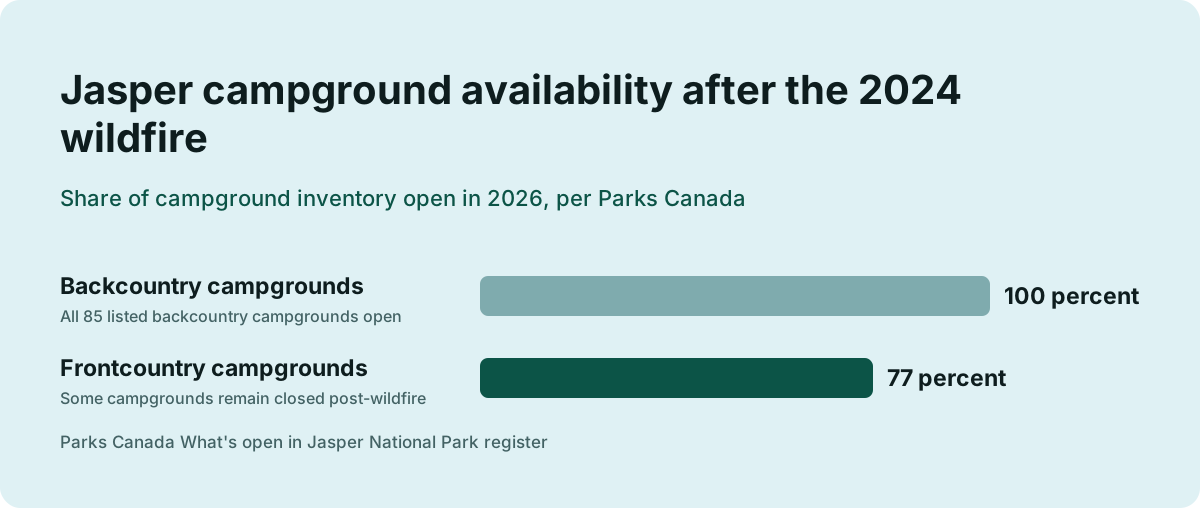
Here is the status picture in table form, using the categories Parks Canada itself publishes.
| Category | Status | Notes |
|---|---|---|
| Trails | Virtually all reopened | Valley of the Five Lakes, Old Fort Point, Bald Hills, Opal Hills, The Whistlers, Wilcox Pass, Sulphur Skyline and more are open |
| Day-use areas | Open | Athabasca Falls, Sunwapta Falls, Pyramid Beach, Pyramid Island, Patricia, Annette and Edith lakes |
| Backcountry campgrounds | All 85 listed open | 100 percent of backcountry inventory available in 2026 |
| Frontcountry campgrounds | 77 percent available | Some campgrounds remain closed post-wildfire |
| Miette Hot Springs | Open | Closes for the season on 12 October, reopens May 2027 |
| Maligne Canyon | Closed | For the 2026 season, including winter recreation |
| Cavell Road and Edith Cavell trails | Closed | For the 2026 season, reopening date not set |
| Visitor centres | Both open | Jasper Information Centre and the Icefield Centre desk |
What is still closed after the wildfire?
Two closures change what a visitor should book: Maligne Canyon and the Cavell Road area, both closed for the 2026 season. Maligne Canyon is closed from the First Bridge parking lot to the Fifth Bridge junction, and winter access for winter recreation is prohibited. Cavell Road is closed to all travel, with it the Edith Cavell trails, including Path of the Glacier and Cavell Meadows. Parks Canada has not set a reopening date for either.
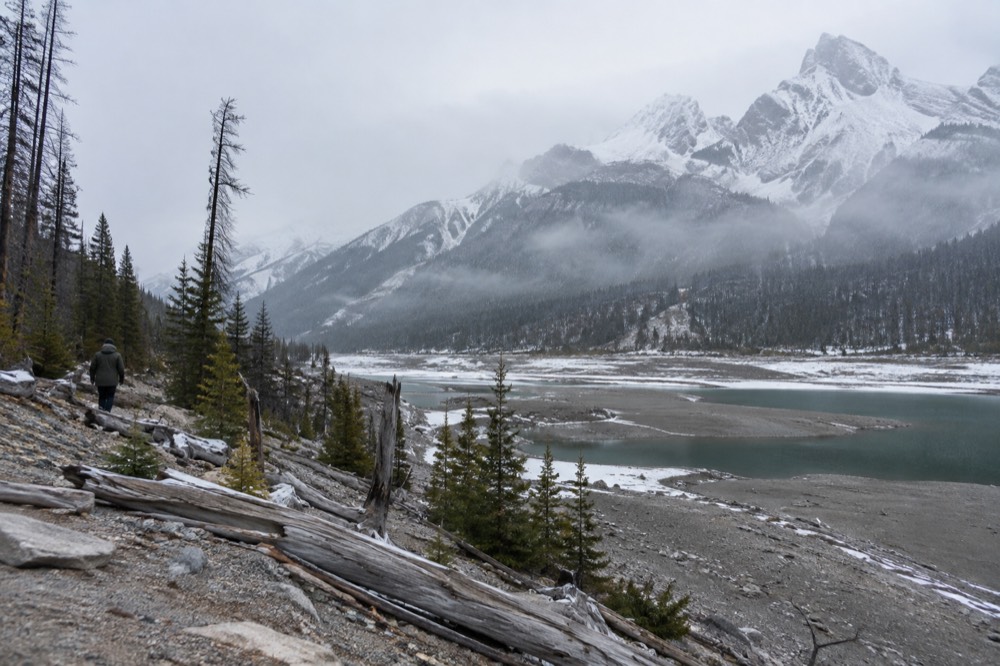
The reason is geology, not scenery. Parks Canada explains that both roads reach areas with high-angle slopes, and the loss of trees and vegetation in the fire raises the risk of debris flows and landslides. Slope stability and roadway safety standards have to be met, possibly including retaining structures and guardrails, before either can reopen. On Cavell Road, geotechnical assessment and hazard tree removal are complete, and slope stabilisation is planned from autumn 2026 through spring 2027; the opening date will be set only once that work is finished. Maligne Canyon remains in early planning, with technical studies and design concepts under development.
The commercial consequence is blunt: a Maligne Canyon ice walk and any Mount Edith Cavell tour cannot legally run in those places while these closures stand. A product listing existing on a booking site does not make the activity legal. If you see either sold, check it against the Parks Canada bulletins page before you pay. We cover the canyon situation in detail in our post on why Maligne Canyon is closed.
Other closures are smaller but worth knowing: Wabasso Campground, Whirlpool Group Campground, Jonas Campground and Overflow Campground are closed, part of Wapiti Campground is restricted, trail 9c and trail 5b are closed, a section of trail 7 behind the golf course is closed, and the Tonquin Valley is closed via the Astoria River, though the Overlander Trail is open. The Palisades Stewardship and Education Centre is closed for the foreseeable future. Entering a closed area carries a maximum penalty of $25,000 CAD under the Canada National Parks Act.
The Maligne Valley is still very much worth your time despite the canyon closure. The road to the lake is open year round, Medicine Lake is open, and the lake itself, the largest natural lake in the Canadian Rockies at 22.3 km long, is running its cruise to Spirit Island. If your heart was set on the canyon, swap in the valley above it rather than skipping the area entirely.
Do you need a park pass to visit Jasper?
Yes, a park pass is legally required to be inside Jasper National Park, including for tours. The daily fee is charged per person: $12.25 CAD for adults, $10.75 CAD for seniors, free for youth 17 and under, with a Family/Group rate of $24.50 CAD covering up to seven people in one vehicle. The Canada Strong Pass free-admission period ended on 7 September 2026, so regular fees apply now.
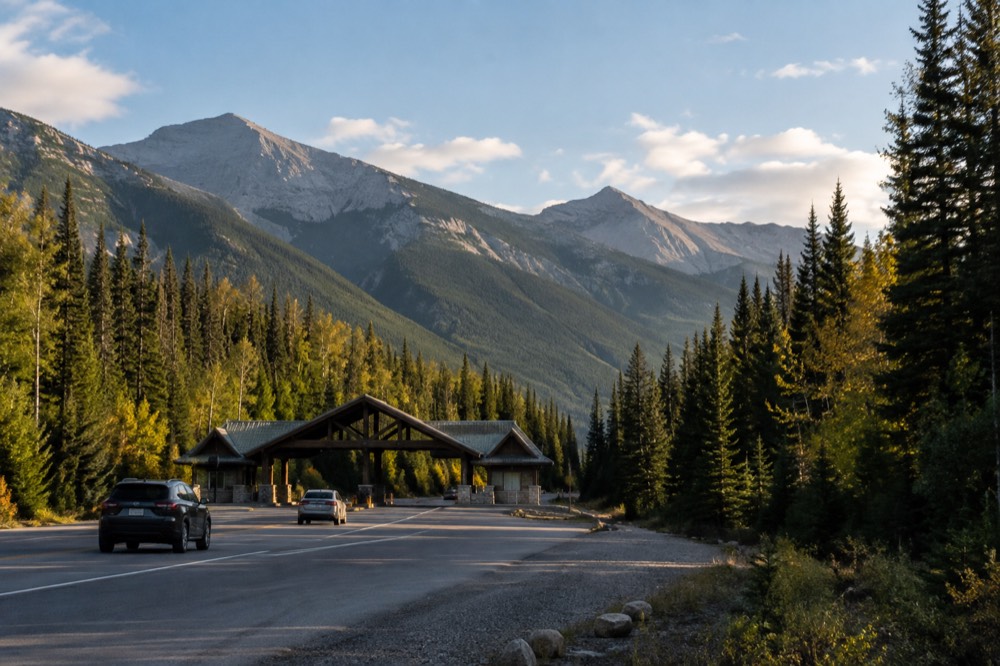
Travel inside the park is a designated activity requiring authorization in the form of a Park Pass, and the exemptions are narrow: passing through on Highway 16 without stopping, stopping for fuel while passing through, medical treatment or essential services, emergencies, and certain work-related travel. There are three staffed gates, at 22 km west of Jasper, 6 km south on the Icefields Parkway and 48 km east on Highway 16, plus automated pass machines in town outside the visitor information centre on Connaught Drive. The pass must be printed and displayed on the dash of your vehicle. Other pages covering the same trip are gathered on Jasper National Park Tours.
Two practical points. First, a day pass is valid until 4 pm the day after purchase and also admits you to Banff, Kootenay, Yoho, Mount Revelstoke, Glacier, Waterton Lakes and Elk Island national parks, which matters if Jasper is one stop on a bigger trip; our guide to whether you need separate passes for Banff and Jasper works through the maths. Second, whether a guided tour builds the entry fee into its ticket is an operator-by-operator decision; check each tour's inclusions list rather than assuming. Parks Canada raises these fees annually, so confirm current figures on the Parks Canada fee page.
| Pass type | Adult | Senior | Youth 17 and under | Family/Group (up to 7 in one vehicle) |
|---|---|---|---|---|
| Day pass | $12.25 CAD | $10.75 CAD | Free | $24.50 CAD |
| Discovery Pass (annual) | $83.50 CAD | $71.50 CAD | Free | $167.50 CAD |
A Discovery Pass pays for itself at roughly seven days of park entry inside twelve months, whether you are one adult or a carload. There is no timed entry system and no mandatory shuttle anywhere in Jasper; the only authorization to travel in the park is the pass itself. That is a genuine difference from Banff, where Lake Louise and Moraine Lake require a shuttle reservation, and it is one reason Jasper is the easier park to plan.
Which Jasper tours are running?
Nearly all of them. Tours on Maligne Lake and Spirit Island, the Columbia Icefield and Athabasca Glacier, the Icefields Parkway, the SkyTram, the Athabasca and Sunwapta rivers, and the wildlife and food tours around town are all operating. The exceptions are anything built on Maligne Canyon or the Cavell area, which cannot run while those closures stand.
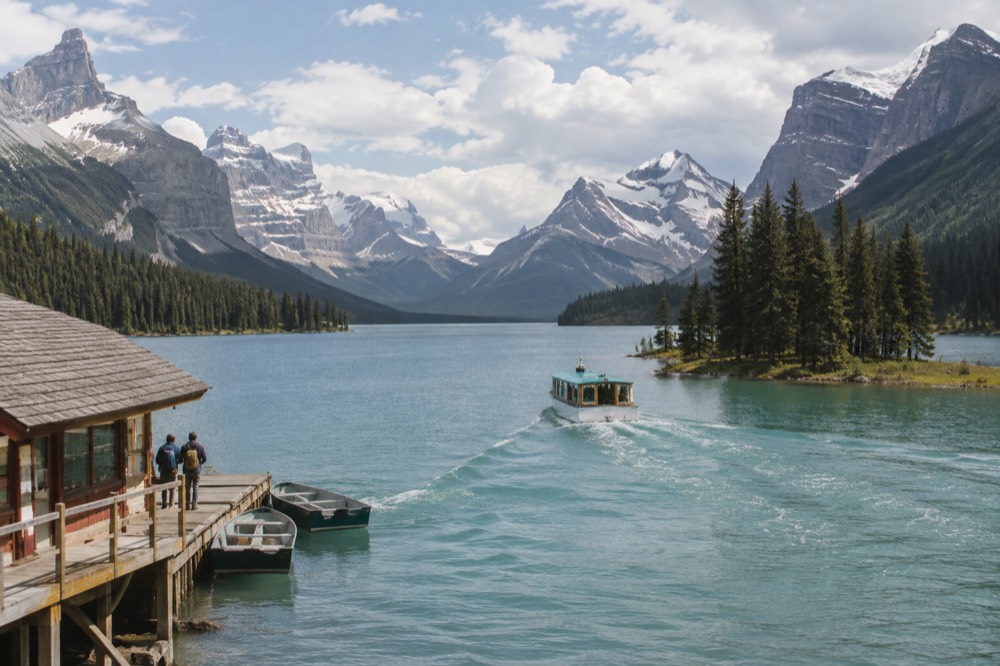
The cleanest way to check a specific tour is to look at its confirmed stops and compare them against the open register. A Maligne Lake cruise stops at the boathouse and Spirit Island, both open. A glacier hike on the Athabasca stops at the glacier and the Icefield Discovery Centre, both open. Rafting runs out of the Jasper townsite on the Athabasca River, open. The Pleckaitis icewalk lists Maligne Canyon among its stops, which places it squarely inside the closure, so treat that one with caution and verify with the operator before booking.
The Maligne Lake cruise is the single most useful tour to anchor a Jasper trip around right now. It runs 27 May to 11 October, weather dependent, on the lake whose boathouse survived the fire, and Spirit Island has no road or trail access: tour boats or non-motorized private craft are the only means of reaching it. The cruise operator advises arriving about an hour before your departure and allowing at least 90 minutes for the drive from Jasper.
Wildlife tours are running across the same open terrain. The morning and evening wildlife watch covers Pyramid Lake and the Whistlers summit, both open, with hotel pickup, and the guides on these trips are the best early-warning system you have for where animals are actually being seen. Remember the rules that apply regardless of the tour: stay 30 m from elk, deer and moose, 100 m from bears and other carnivores, and treat every sighting as a possibility, never a promise. Our guide to Jasper wildlife tours goes deeper on which trips suit which season.
In town, the culture and food tour is a good fit for a fire-recovery visit, because it walks the townsite and the Jasper Park Information Centre, a National Historic Site built in 1913 and one of the finest examples of the rustic design tradition in Canada's national parks. Eating in Jasper in 2026 is itself a small act of support for a town that lost a third of its structures.
| Tour family | Running? | Where it operates |
|---|---|---|
| Maligne Lake cruises and valley tours | Yes | Maligne Lake, Medicine Lake, Spirit Island |
| Glacier and Icefield tours | Yes | Athabasca Glacier, Columbia Icefield, Skywalk |
| Icefields Parkway day tours | Yes | Athabasca Falls, Sunwapta Falls, Banff connector |
| Rafting | Yes | Athabasca River and Sunwapta River out of the townsite |
| SkyTram and stargazing | Yes | Whistlers Mountain |
| Wildlife tours | Yes | Pyramid Lake, Patricia Lake, valley roads |
| Maligne Canyon icewalks | No | Canyon closed for the 2026 season |
| Mount Edith Cavell tours | No | Cavell Road closed for the 2026 season |
What does the burned area look like now?
The burn is visible along the Athabasca valley south of town, around the townsite's southwest edge and up the Maligne road corridor, and regrowth is under way in those places. Parks Canada describes fire-damaged slopes in steep terrain that remain unstable for years and hazard trees that stay unstable for several years after a fire, so closed areas are closed for real safety reasons, not caution.
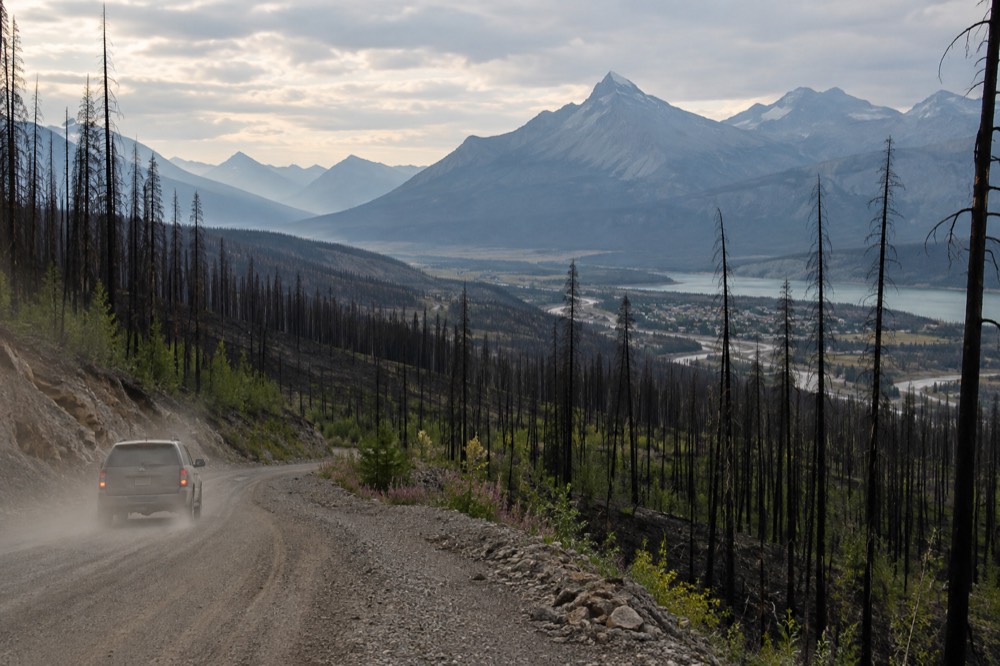
Visitors driving the Icefields Parkway south of town will pass burned slopes, and the honest description is that it is striking rather than grim: blackened trunks standing over bright new growth, with wildflowers and lodgepole pine seedlings coming up through the ash. Parks Canada's restoration pages describe whitebark pine planting under way and the reappearance of black army cutworms, a native moth whose larvae thrive in recently burned ground. The Sunwapta Falls trail passes through the Chaba River burn area, the legacy of a 1967 wildfire, which is now one of the best bear and moose habitats in the park, a useful reminder that burned forest becomes habitat fast.
What you should not expect anyone to tell you is what share of a given drive passes through burned forest. No official source publishes that, and the fire perimeter is not all burned ground, so any percentage you read on a random page is invented. The verified figures are the fire's final size, 32,722 hectares, and the park's area, 11,228 square kilometres, and each is meaningful on its own.
The town itself is a construction site in places and fully open in others. Rebuilding is under way at hundreds of fire-destroyed properties, interim housing is in place, and businesses are trading, including from a pop-up business village. Rather than quoting a rebuild count that moves every few weeks, we point to the Parks Canada rebuild dashboard for the current numbers. For the safety question specifically, our post is it safe to visit Jasper right now covers it directly.
How should you check conditions before you book?
Check three sources: the Parks Canada What's open register for areas and trails, 511 Alberta for road conditions, and the Parks Canada bulletins page for closures and restricted activities. Parks Canada warns that navigation apps are not always accurate for Jasper National Park, so do not rely on a mapping app for road status. For fire bans, check the Parks Canada fire page and albertafirebans.ca.
A short pre-booking checklist, in the order that matters:
| What you are checking | Where to check it |
|---|---|
| Trails, day-use areas, campgrounds | Parks Canada What's open register |
| Road conditions and seasonal closures | 511 Alberta and the Parks Canada road restrictions page |
| Area closures and restricted activities | Parks Canada Jasper bulletins |
| Fire bans and air quality | Parks Canada fire page and albertafirebans.ca |
| Tour-specific inclusions and season dates | The operator's live listing |
Two seasonal facts worth folding into your plans. The Icefields Parkway does not close for the winter, but from 1 November to 31 March a vehicle on it must have snow tires or chains, there are no services along it in winter, no cell coverage en route, and it is not salted. Miette Hot Springs sells admission in person only, first come first served, with no advance or online tickets, which is a genuinely useful buying fact if a soak is on your list. And if you are weighing Jasper against its neighbour to the south, remember that Jasper has no timed entry and no shuttle reservations, which keeps it the simpler park to plan.
Fire bans and air quality change through the season, and no honest page can state the current situation for you. Check the official sources before you go, and check again close to your travel date, because conditions in a mountain park move faster than any article can.
Common questions about Jasper after the wildfire
Is Jasper open after the wildfire?
Yes. Parks Canada states that the majority of Jasper National Park is now open and ready to explore and that virtually all of Jasper's trails have reopened since the 2024 wildfire. The town is running, tours are operating, and both visitor centres are open. Maligne Canyon and Cavell Road are the two significant closures still standing.
Is it safe to visit Jasper right now?
Parks Canada lists no active wildfires in Jasper National Park, and the 2024 Jasper Wildfire was declared extinguished on 1 April 2025. Closed areas, including Maligne Canyon and the Cavell Road area, are closed because fire-damaged slopes and hazard trees remain unstable for years, and entering a closed area carries a maximum penalty of $25,000 CAD. Everywhere that is open has been assessed as safe to visit.
Can you still visit Maligne Lake and Spirit Island?
Yes. The Maligne Lake Road is open year round, the lake's boathouse survived the wildfire, and the cruise to Spirit Island runs 27 May to 11 October, weather dependent. Spirit Island has no road or trail access, so a tour boat or a non-motorized private craft is the only way to reach it.
Is Maligne Canyon open?
No. Maligne Canyon is closed for the 2026 season, from the First Bridge parking lot to the Fifth Bridge junction, and winter access for winter recreation is prohibited. Parks Canada has not set a reopening date. No icewalk of the canyon can legally run while the closure stands.
Do I need a park pass to enter Jasper?
Yes, a pass is legally required to be inside Jasper National Park. The daily fee is $12.25 CAD per adult, $10.75 CAD per senior, free for youth 17 and under, with a Family/Group rate of $24.50 CAD covering up to seven people in one vehicle. The Canada Strong Pass free-admission period ended on 7 September 2026 and regular fees apply.
Can you drive the Icefields Parkway after the wildfire?
Yes. The Icefields Parkway has no seasonal closure and is open now. In winter, from 1 November to 31 March, snow tires or chains are required, there are no services en route and no cell coverage, and maintenance runs 7 am to 3:30 pm. Check 511 Alberta before you drive.